ICT Silver Bullet Strategy: The 1-Hour Window Institutional Traders Use
The ICT Silver Bullet is a one-hour, high-probability entry model. Learn the exact times, setup rules and risk management for forex, indices and crypto.

The ICT Silver Bullet is one of Michael Huddleston's most popular models — a strict one-hour window where institutional algorithms tend to deliver the cleanest fair value gap entries of the day. It's narrow, it's mechanical and that's exactly why it works.
What Is the Silver Bullet?
The Silver Bullet is a time-based entry model. Inside one specific hour, you wait for a liquidity sweep, a change of character and a fair value gap, then enter on the FVG retracement. Outside that hour, the setup doesn't exist — even if the pattern looks identical.
The Three Silver Bullet Windows (NY time)
- London Silver Bullet — 03:00–04:00 — captures the manipulation leg of the London open against Asian liquidity.
- AM Silver Bullet — 10:00–11:00 — the post-NY-open distribution window, often delivering the cleanest FVG of the session.
- PM Silver Bullet — 14:00–15:00 — the late-day reversal window before the closing bell, ideal for indices.
Why a One-Hour Window?
Volume and algorithmic participation cluster around session opens and closes. By restricting entries to these high-liquidity windows, you skip the chop and trade only when institutions are actively delivering price. For background on how time and session liquidity shape intraday moves, Investopedia's trading hours primer is a solid reference.
The Silver Bullet Setup Step by Step
- Set your HTF bias. Use the framework from our Smart Money Concepts guide and the daily Power of 3 script to decide long or short before the window opens.
- Mark draw on liquidity. Identify the obvious pool — equal highs, equal lows or a session high/low — that price is gravitating toward.
- Wait for the sweep. Inside the Silver Bullet hour, price runs the liquidity pool. This is the liquidity sweep that triggers the move.
- Confirm with CHoCH. A lower-timeframe change of character after the sweep confirms intent has flipped.
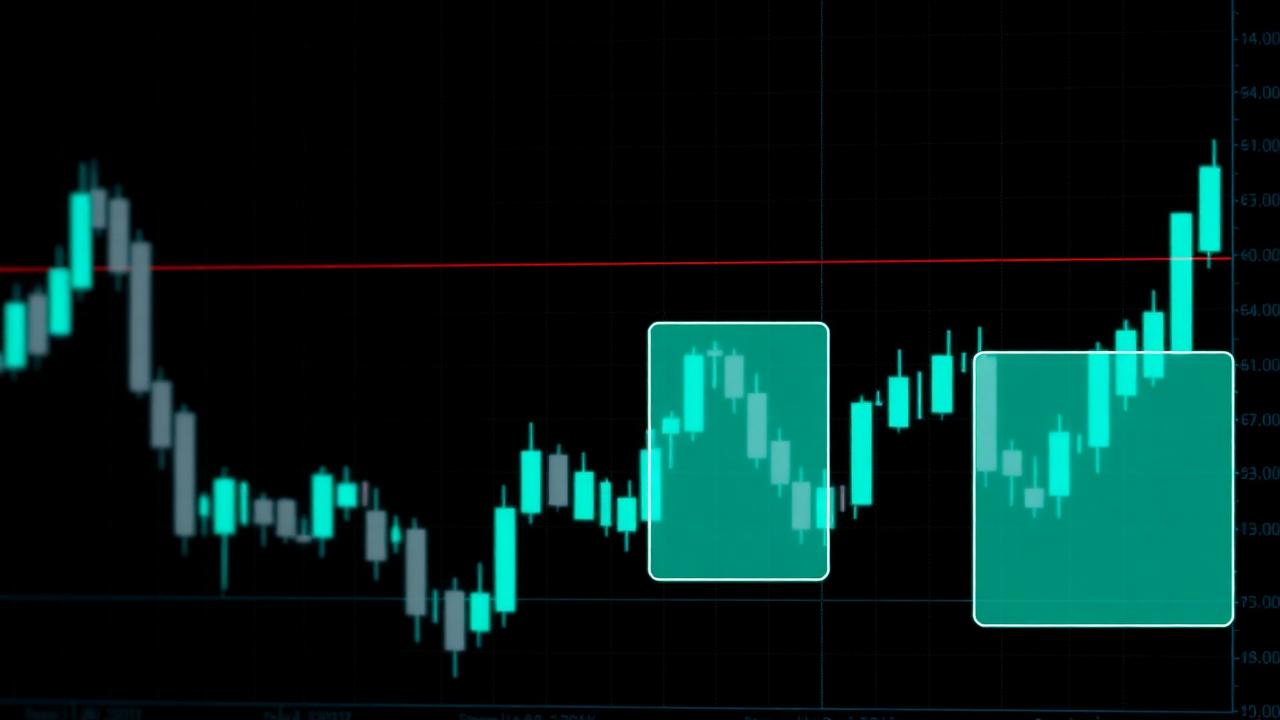
- Enter on the FVG. The displacement candle leaves a fair value gap — that's your entry zone, with stops beyond the swept liquidity.
- Target opposing liquidity. Take profit at the next obvious pool or the session high/low on the other side.
Risk Management Inside the Window
Because the Silver Bullet is binary — either the setup forms or it doesn't — risk is straightforward. Risk a fixed 0.5–1% per trade, set stops beyond the swept high or low (never inside the FVG itself), and aim for a minimum 1:3 R:R. If the window closes without a clean sweep + CHoCH + FVG, you sit out. No setup, no trade.
Silver Bullet Mistakes to Avoid
- Trading outside the hour. A textbook FVG at 11:30 is not a Silver Bullet. The time component is the strategy.
- Skipping HTF bias. A long Silver Bullet inside a bearish daily script is a counter-trend trade. Bias filters most losers.
- Front-running the sweep. Wait for liquidity to actually be taken before looking for CHoCH. Anticipation is not entry.
- Ignoring news. CPI or FOMC inside the AM window will shred the model. Stand aside on red-folder events.
Wire It Into a Blueprint
The Silver Bullet's strength is its mechanical rules — which makes it the ideal model to lock into a versioned blueprint inside AlphaFlow. Define the window, the sweep criteria, the CHoCH timeframe and the FVG entry rules once, then journal every trade against the same logic. Pair it with the entry patterns in our order block guide and the timing framework in the ICT kill zones article, and you have a complete one-hour-a-day institutional edge.
One hour. One setup. One trade. That's the Silver Bullet — and that discipline is exactly what separates traders who compound from traders who churn.
Build the blueprint, not just the idea
AlphaFlow turns concepts like the ones in this article into versioned, testable execution blueprints — so every entry has a logged reason.
Launch the terminal