ICT Power of 3 (AMD): Accumulation, Manipulation, Distribution Explained
The ICT Power of 3 (PO3) — accumulation, manipulation, distribution — is the daily blueprint of institutional price delivery. Learn how to trade the AMD model.
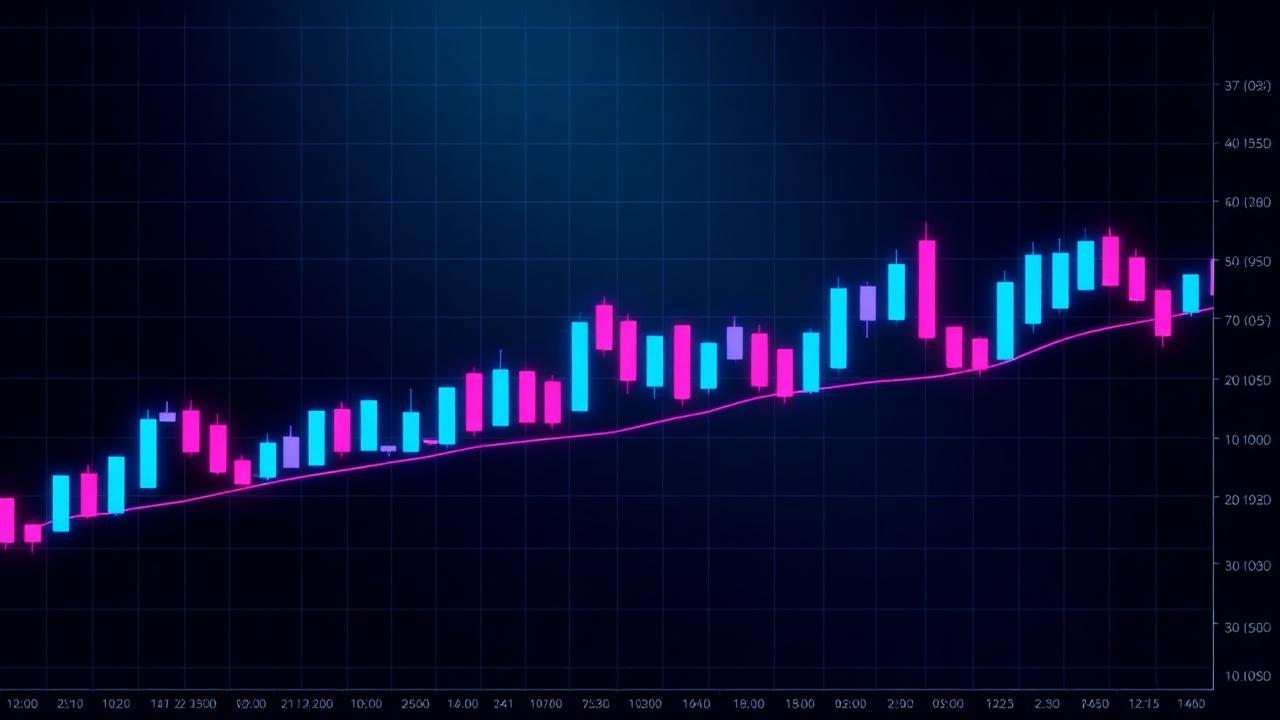
The ICT Power of 3 — often abbreviated PO3 or AMD — is the single most useful daily template in the Inner Circle Trader toolkit. It describes how institutional algorithms deliver price across every session in three repeatable phases: Accumulation, Manipulation, Distribution.
What Is the Power of 3?
Michael Huddleston's Power of 3 model breaks each trading day (and every higher-timeframe candle) into three legs:
- Accumulation — a tight consolidation where institutions build their position. Usually the Asian session for FX and index futures.
- Manipulation — a false move against the true daily direction designed to sweep liquidity from the accumulation range. Typically the London open.
- Distribution — the real expansion leg in the institutional direction, where the position is offloaded into retail liquidity. Typically the New York session.
Why the AMD Model Works
Large players can't fill size at a single price without slipping the market against themselves. The Power of 3 is simply the algorithmic solution: accumulate quietly, sweep retail stops to fill the rest, then expand. Once you see it, every daily candle starts looking like a three-act play. The CME order-flow course covers the underlying mechanics of why large orders need to be worked this way.
How to Trade the Power of 3 Step by Step
- Define the daily bias. Use higher-timeframe structure and the framework from our Smart Money Concepts guide to decide whether you're hunting longs or shorts.
- Mark the accumulation range. Box the Asian session high and low — that's the liquidity pool the manipulation leg will target.
- Wait for the manipulation sweep. At the London open, price typically runs against bias to take out one side of the Asian range. This is the liquidity sweep you've been waiting for.
- Enter on the reversal. Look for a lower-timeframe change of character (CHoCH) followed by a return to a fresh order block or fair value gap.
- Target the distribution leg. First target is the opposite extreme of the accumulation range; runners can target the prior day high or low.
Power of 3 Across Timeframes
The beauty of AMD is that it's fractal. The daily candle has its own PO3, the 4H has one, even the 15-minute has one. Stack them: a daily-bullish PO3 with a 15-minute bullish PO3 firing inside the London kill zone is a textbook A+ setup. If session timing is new to you, the kill-zone section of our ICT beginner's guide is worth a re-read.
Common Power of 3 Mistakes
- Trading the manipulation leg. The whole point of the model is that the first move of the day is a trap. Don't chase it — let it complete, then position for distribution.
- Ignoring the daily bias. A bullish PO3 in a bearish weekly is low-conviction. Top-down always wins.
- Forcing PO3 on consolidation days. Some days are pure accumulation with no distribution. If the manipulation sweep doesn't produce a clean CHoCH, stand aside.
Wire the Power of 3 Into a Blueprint
The traders who actually compound an edge with AMD are the ones who mechanize it. Define each leg's conditions — what counts as a valid accumulation range, what qualifies as a manipulation sweep, which order block variants you'll trade — and lock that logic into a versioned blueprint inside AlphaFlow. From there every trade is journaled against the same rules and your win rate becomes a fact, not a feeling.
Pair the Power of 3 with the entry models from our order block and fair value gap guides and you have a complete, repeatable institutional trading model — one daily script, traded the same way every session.
Build the blueprint, not just the idea
AlphaFlow turns concepts like the ones in this article into versioned, testable execution blueprints — so every entry has a logged reason.
Launch the terminal