Order Blocks Explained: How to Identify and Trade Them
Order blocks are the footprint of institutional orders. Learn how to spot bullish and bearish order blocks and turn them into high-probability entries.
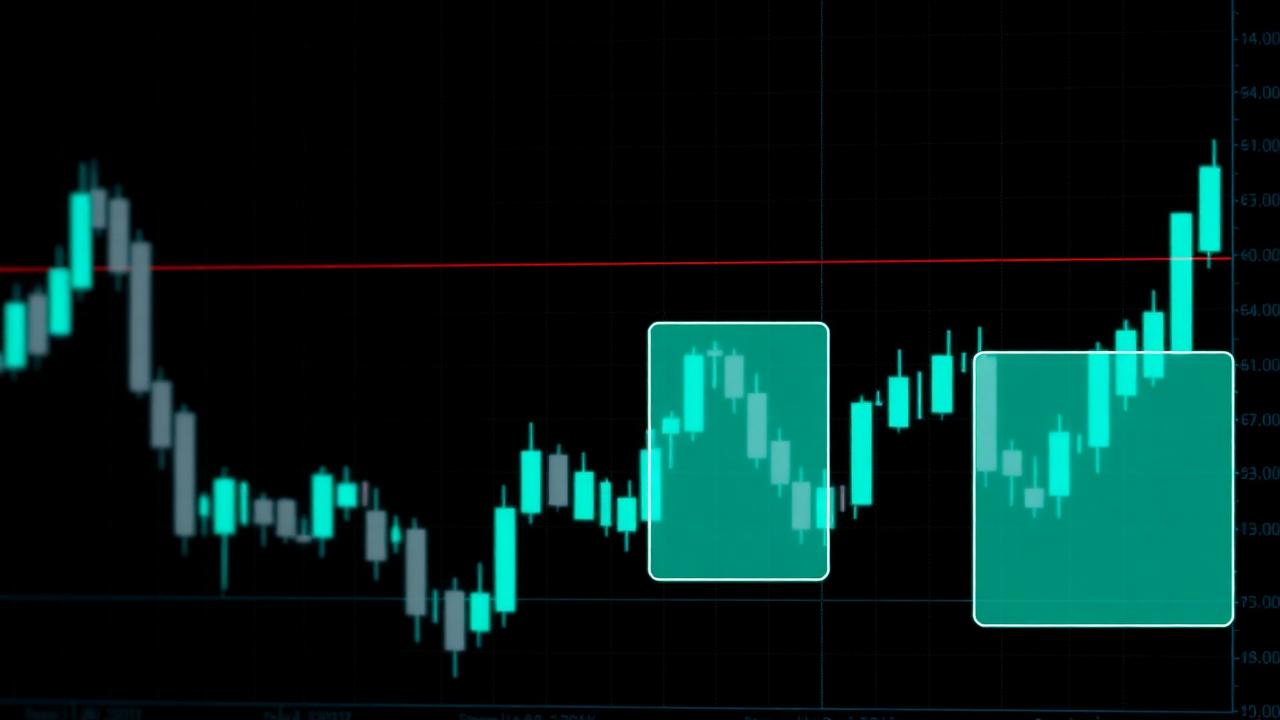
The order block is arguably the single most important pattern in the ICT and SMC toolkit. It marks the price level where institutions stacked orders — and where they'll often defend price again.
What Is an Order Block?
A bullish order block is the last down candle before an aggressive impulsive move higher. A bearish order block is the last up candle before an aggressive move lower. The candle's body (sometimes the full range) becomes a zone price is likely to revisit.
Three Conditions for a Valid Order Block
- It must cause a break of structure on the timeframe you're trading.
- It typically leaves a fair value gap in its wake — proof of imbalance.
- It hasn't been mitigated yet (price hasn't returned to it).
How to Trade the Return
Wait for price to retrace into the order block. On the lower timeframe (typically 1m–5m), look for a CHoCH inside the zone, then enter on the resulting micro structure. Stop goes just beyond the order block; first target is the most recent liquidity pool.
Order Blocks Aren't Magic
Order blocks fail constantly when traded in isolation. They work when stacked with: higher-timeframe bias, a clean liquidity sweep, and a confluent kill zone. BabyPips' support and resistance lesson is a useful complement — order blocks are essentially S/R with an order-flow rationale.
The traders who win consistently with order blocks are the ones who log every entry. Build your order-block model as a blueprint in AlphaFlow so you can prove statistically which variant of the pattern actually pays.
Build the blueprint, not just the idea
AlphaFlow turns concepts like the ones in this article into versioned, testable execution blueprints — so every entry has a logged reason.
Launch the terminal