ICT Optimal Trade Entry (OTE): How to Use Fibonacci for Precision Entries
The ICT Optimal Trade Entry (OTE) uses Fibonacci retracement to pinpoint high-probability entry zones. Learn the exact levels, setup rules and risk management.
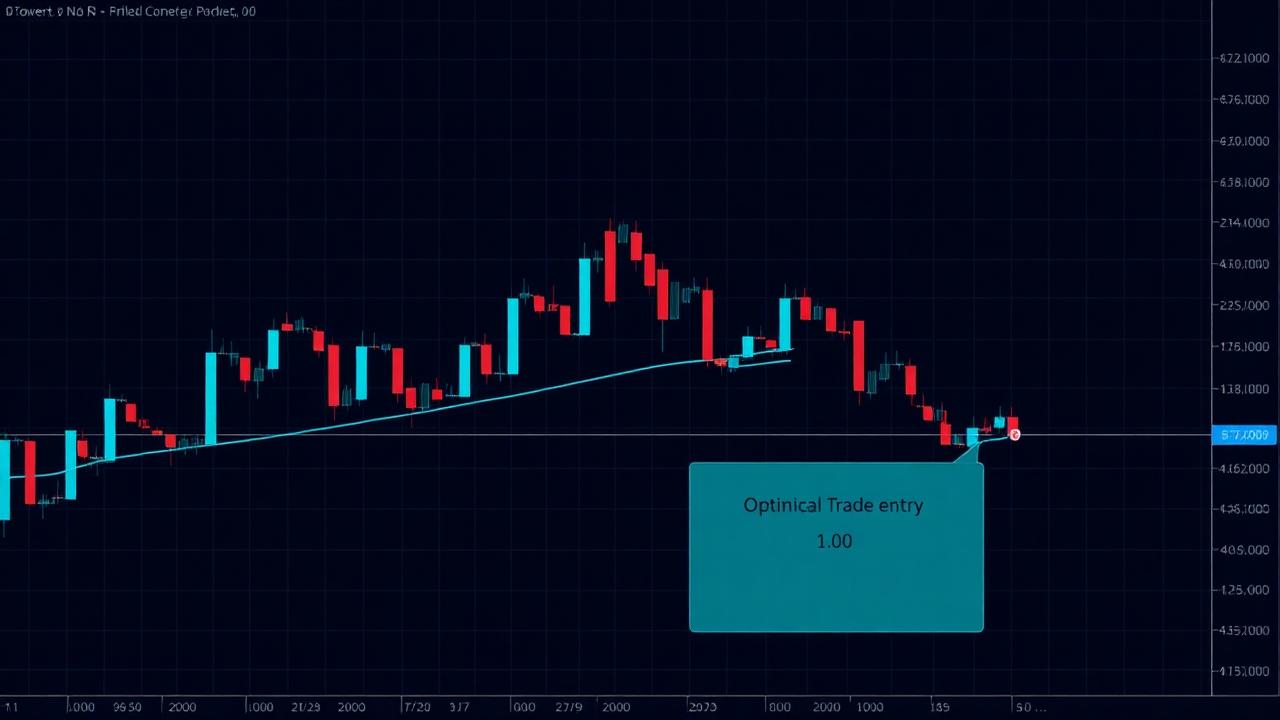
The ICT Optimal Trade Entry (OTE) is one of the most precise tools in the Inner Circle Trader methodology. It uses a specific Fibonacci retracement zone — between 0.618 and 0.705 — to tell you exactly where to place your limit order after a market structure shift. When combined with liquidity sweeps and order blocks, the OTE turns vague "buy the dip" guesses into measurable, repeatable entries.
What Is the ICT Optimal Trade Entry?
After price sweeps liquidity and prints a change of character (CHoCH), the market rarely reverses in a straight line. It retraces — and the OTE is the zone where that retracement is most likely to terminate before the next leg begins. Michael Huddleston refined the standard Fibonacci 0.618 level by adding the 0.705 extension, creating a window rather than a single line. This wider zone accounts for the natural variance in how deeply price pulls back after institutional displacement. Investopedia's Fibonacci retracement guide covers the underlying mathematics if you want the textbook foundation.
The OTE Levels Explained
- 0.618 — the classic golden ratio retracement. In strong trends, price often barely kisses this level before resuming.
- 0.705 — the ICT extension that captures deeper retracements, especially after volatile sweeps or on lower timeframes. This is the deeper edge of the OTE window.
- 0.786 — the warning level. If price retraces past 0.705 and into 0.786, the setup is weakening. Some traders use this as a hard invalidation.
How to Mark the OTE Step by Step
- Identify the displacement leg. The aggressive candle or series of candles that moved price away from the swept liquidity. This is your A-to-B swing.
- Draw Fibonacci from the sweep wick to the displacement high (or low). The tool should read 0.0 at the origin of the move and 1.0 at the displacement extreme.
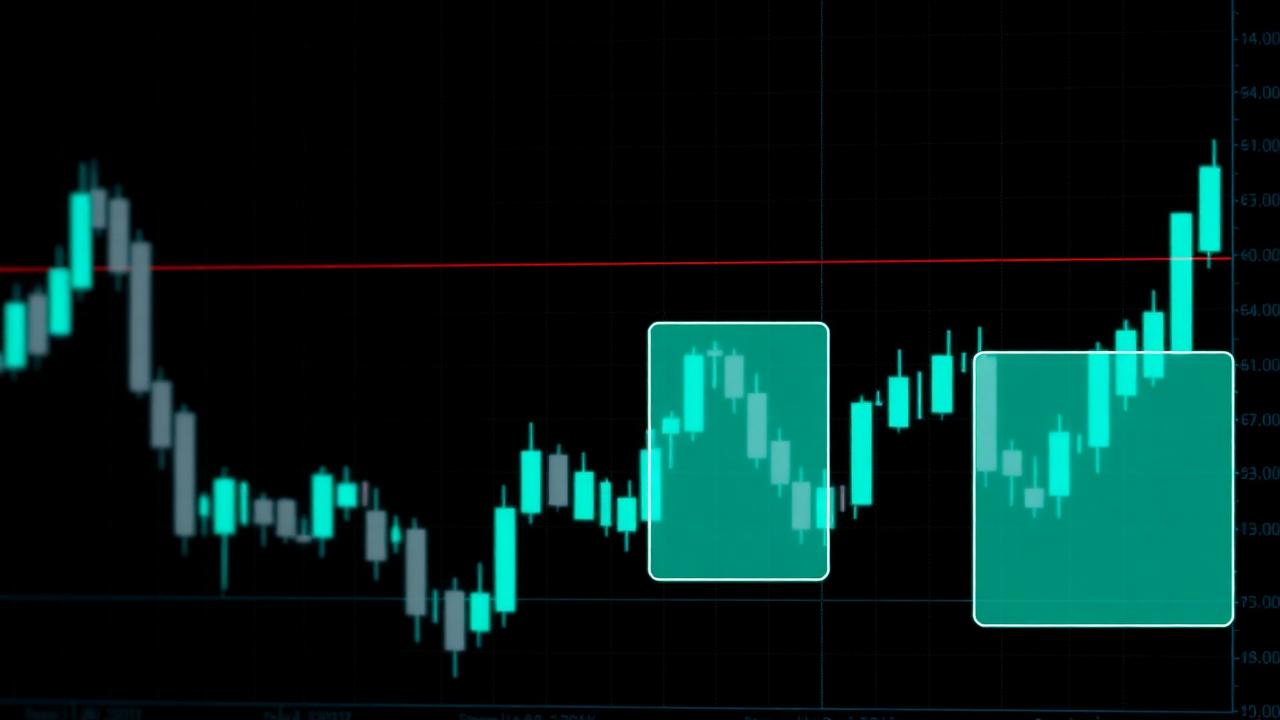
- Highlight the 0.618–0.705 zone. This is your OTE entry window. Set a limit order inside it, or wait for price to tap the zone on a lower timeframe.
- Confirm confluence. The highest-probability OTEs overlap with a fresh order block or fair value gap. When three tools point to the same price, conviction multiplies.
- Set your stop and target. Stop goes beyond the sweep wick or the 0.786 level. First target is the opposing liquidity pool identified before the trade.
OTE in Uptrends vs. Downtrends
In a bullish OTE, you're looking to go long after a sweep of lows. The Fibonacci is drawn from the low of the sweep to the high of the displacement candle. Your buy limit sits in the 0.618–0.705 zone below the displacement high. In a bearish OTE, you short after a sweep of highs. The Fibonacci runs from the sweep high down to the displacement low, and your sell limit sits in the 0.618–0.705 zone above the displacement low. The mechanics are identical — only the direction flips.
Pairing OTE With Session Timing
The OTE works in any market, but it shines inside high-volume windows. A bullish OTE that forms during the London or New York kill zone has significantly more follow-through than one that prints in the dead of night. If you're trading the Silver Bullet model, the OTE is often the exact zone where the post-sweep FVG invites you in. Time and price confluence is the definition of an A+ setup.
Common OTE Mistakes to Avoid
- Drawing Fibonacci on the wrong swing. The OTE is drawn on the displacement leg after the sweep, not the entire prior trend. Wrong anchor points give wrong levels.
- Ignoring higher-timeframe bias. A perfect bullish OTE inside a bearish daily structure is a counter-trend trade. Always anchor direction to the HTF.
- Entering at 0.5. The 50% retracement is not part of the OTE model. It may work in other strategies, but it's not the ICT-defined zone.
- Using OTE without structure confirmation. The OTE is an entry tool, not a signal generator. It only matters after a CHoCH and a confirmed sweep.
Building an OTE Blueprint
The OTE's power is its precision — but precision demands discipline. Define exactly how you draw the Fibonacci, which confluence tools you require, and how you manage risk when price pierces 0.705. Lock that logic into a versioned blueprint inside AlphaFlow and journal every OTE trade against the same rules. Over time, the data will tell you whether your 0.618 entries outperform your 0.705 entries, or whether OTEs inside order blocks deliver the best R:R in your market.
The OTE isn't a crystal ball — it's a measuring tape. It tells you where institutions are likely to let price return before the next leg begins. Used inside a complete Smart Money Concepts model, it transforms every entry from a guess into a planned, logged, testable event.
Build the blueprint, not just the idea
AlphaFlow turns concepts like the ones in this article into versioned, testable execution blueprints — so every entry has a logged reason.
Launch the terminal